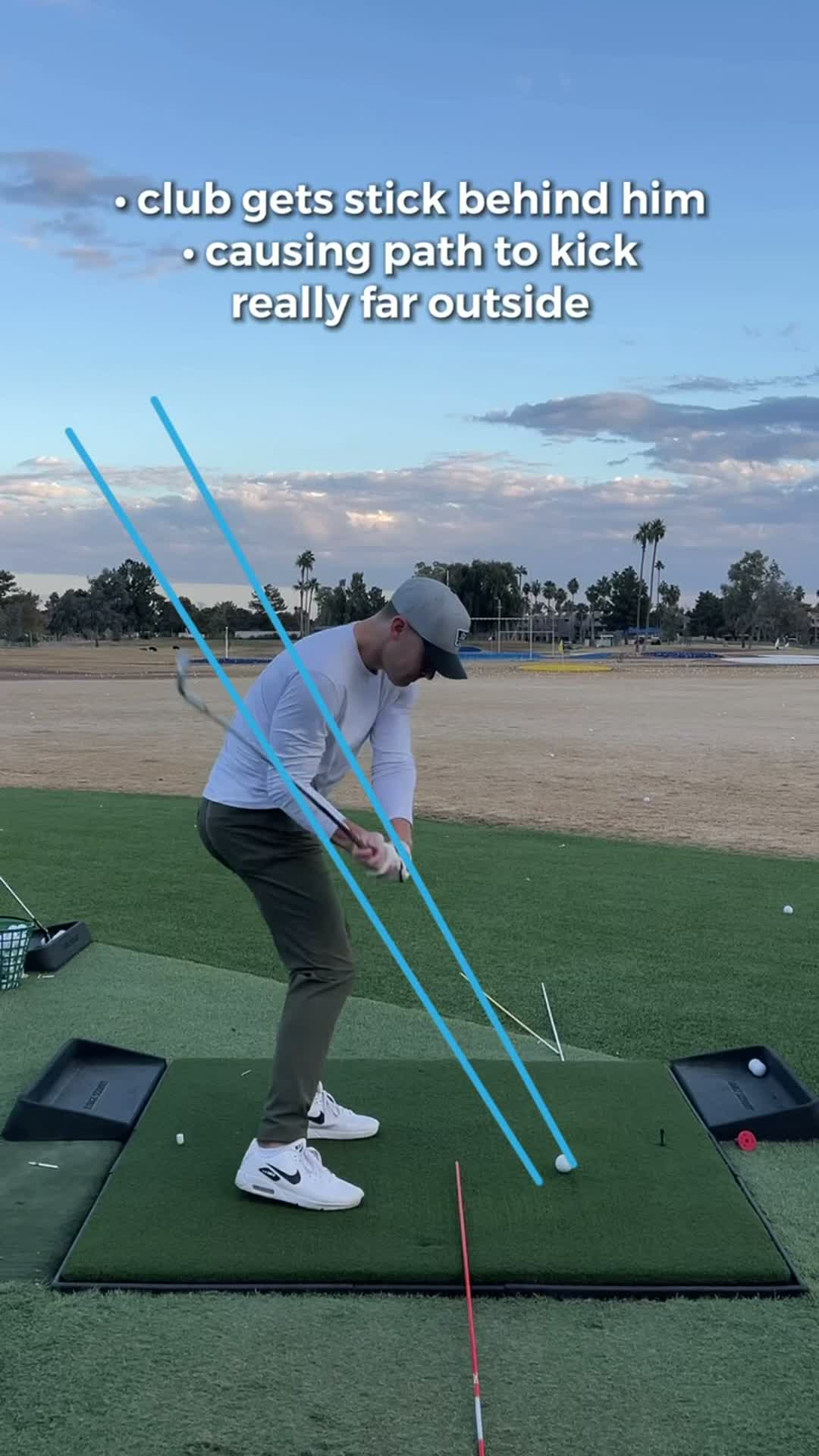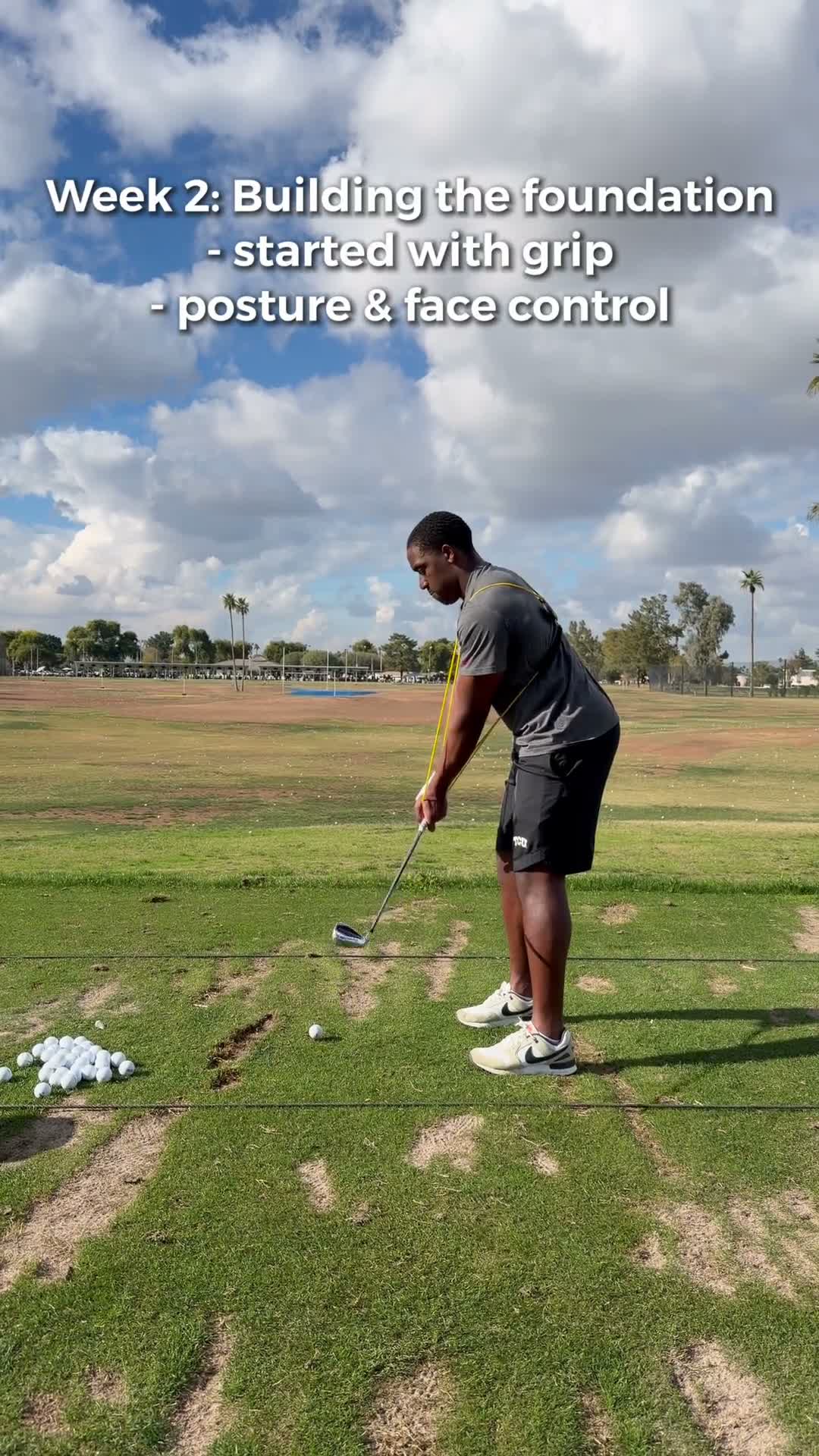
Five weeks. One goal: get better.
Week 1 — Feeling out the baseline. Short game is a little loose, drives are inconsistent, and the scorecard tells the story. You recognize the flaws because you’ve seen them before: fat shots, missed greens, too many three-putts. It’s familiar, but not permanent.
Week 2 — Small fixes, big confidence. A few swing adjustments and smarter club selection start to pay off. Shots that used to miss badly are now just “close.” The putter begins to cooperate. You’re starting to see the gap between where you are and where you want to be.
Week 3 — Momentum builds. Ball-striking gets cleaner, irons find more center, and greens are within reach. The frustration from earlier weeks turns into focused practice. Bad habits lose their grip because you’re replacing them with better ones.
Week 4 — Scores drop. The routine feels steadier. You’re hitting more fairways, leaving shorter chips, and two-putting becomes more common. There are still mistakes—of course—but they don’t derail the round the way they used to.
Week 5 — It comes together. Rounds are smoother, confidence is up, and the idea of breaking 90 suddenly seems realistic. You see where you started, and the improvement isn’t abstract — it’s on the scorecard and in how the game feels.
This is for anyone who’s tired of the same results. No miracle swings, just consistent work, better habits, and the belief that progress is possible. Imagine yourself at Week 5. Now take the first step and start seeing that version of you on the course.
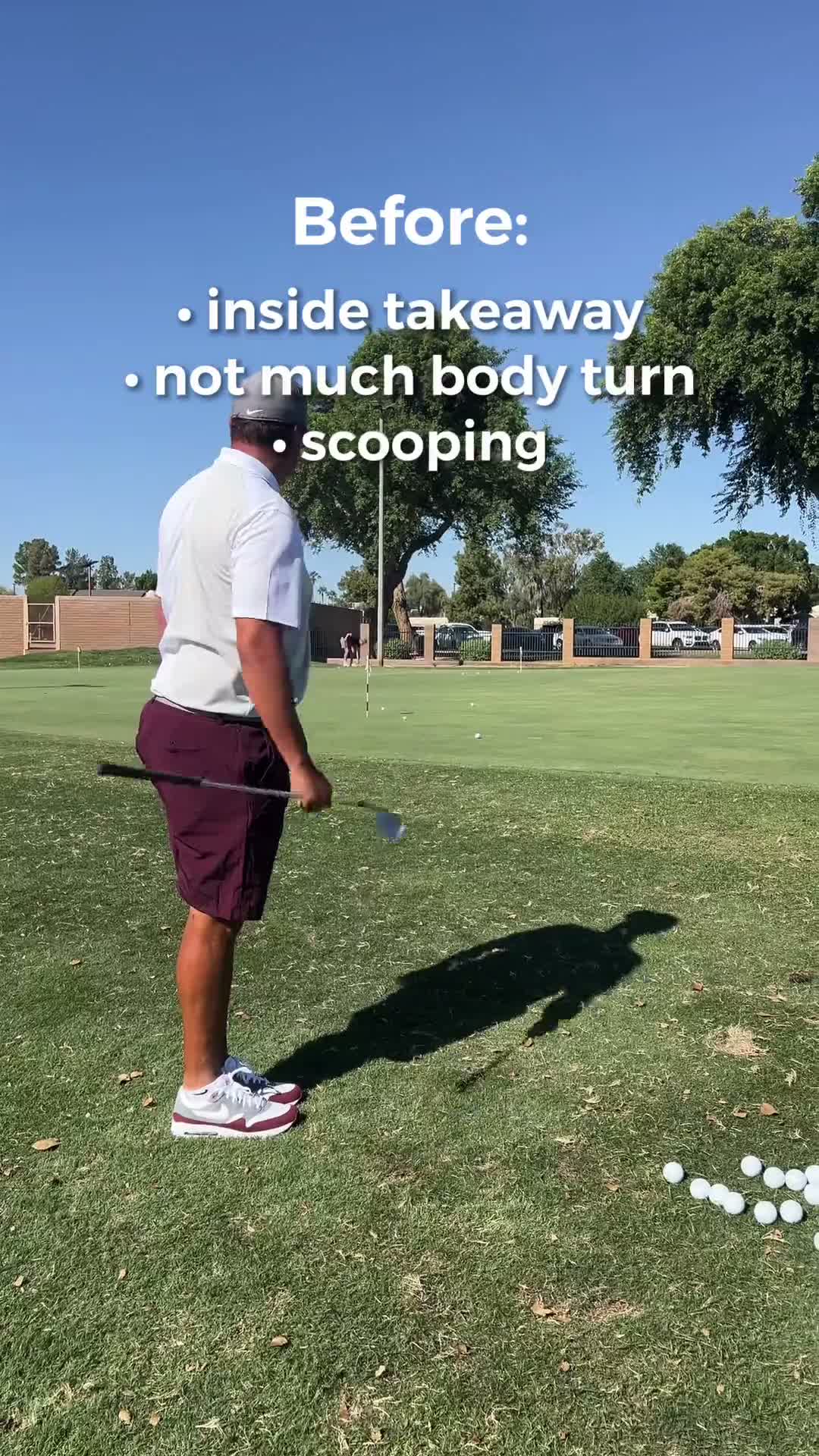
Zack always ensures every lesson ends with a clear, actionable recap and a takeaway video you can bring home, so your practice sessions stay focused and efficient; the recap outlines the key swing adjustments, drills, and measurable goals for your next practice, while the video provides a visual reference you can review anytime to quickly recall the exact feel and mechanics discussed in your lesson plan.
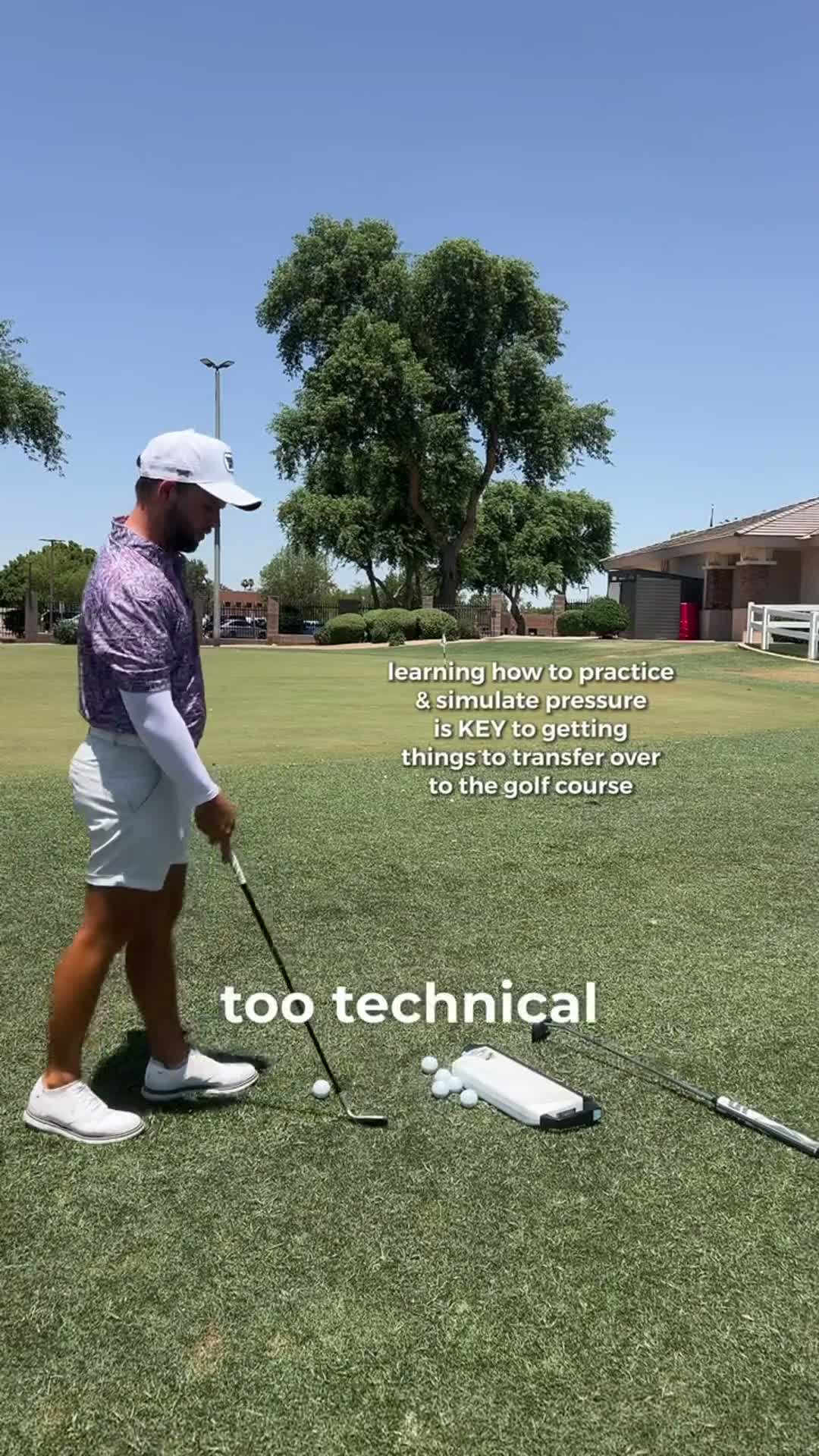
Zack is relentless in preparing his students to practice and perform at their best: he designs individualized practice plans that target each golfer’s specific swing faults and course-management weaknesses, breaks skills down into clear, measurable drills, and teaches players how to structure practice sessions for maximum carryover under pressure. He emphasizes process over outcome, coaching routines that build consistency and confidence while simulating on-course stress so students learn to execute when it counts. Between lessons he provides curated practice assignments, video feedback, and progress checkpoints to keep improvement focused and accountable, ensuring every student arrives at competition ready to play their best.